Asbestos Toilet Cisterns
Why Choose Reddish Vale?
- Full members of ARCA & ACAD
- Multi-disciplinary, family-run asbestos removal company
- Licensed by the Health and Safety Executive (HSE) for asbestos removal since 1985
Contact us today for your free asbestos removal quote from our licensed contractors.
Asbestos toilet cisterns are generally found in pre-1980s buildings within a cement or resin mixture.
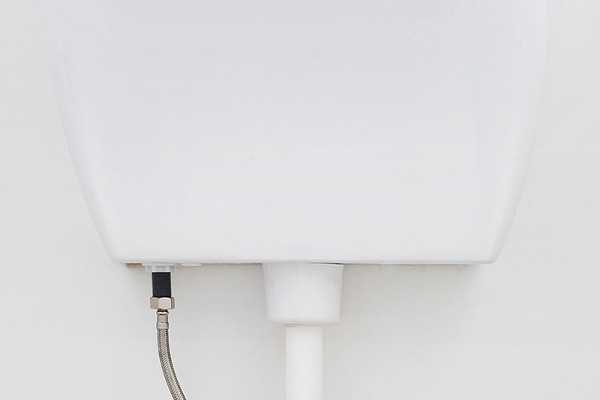

What are Asbestos Toilet Cisterns?
Toilet cisterns are the rectangular tank at the back of your toilet that stores cold water for flushing. Asbestos toilet cisterns are the same thing, but they were made with asbestos pre-1980s for extra durability.
Asbestos was added to toilet cisterns within a cement or resin mixture, making them a lower-risk ACM (asbestos-containing material) than others. But, if the cistern is broken or disturbed during refurbishment, maintenance or demolition works for example, this can release hazardous fibres and pose serious health risks.

How Do You Tell if Your Toilet Cistern Contains Asbestos?
Asbestos is near impossible to detect with an untrained eye, so you won’t be able to tell if your toilet cistern contains asbestos by just looking at it. The only way to know for certain is to have a professional asbestos survey carried out.
In the meantime, there are a few signs you should look out for:
- Black or grey plastic-like material: Asbestos toilet cisterns often have a black or grey plastic-like appearance, commonly referred to as Bakelite or resin.
- Brittle in texture: Their brittle texture comes from the types of asbestos that were added to toilet cisterns, e.g. crocidolite (blue) asbestos and amosite (brown) asbestos. Both have amphibole fibres, which are naturally brittle, sharp and needle-like.
- Pre-1980s: Asbestos toilet cisterns are commonly found in buildings that pre-date the 1980s, as at the time, people valued asbestos for its strength and durability without realising the health and safety risks.


How Dangerous are Asbestos Toilet Cisterns?
Asbestos toilet cisterns typically contain between 1 and 10% asbestos, making them a low-risk, non-friable (not crumbly or easily damaged) material.
However, the primary concern is the asbestos gaskets, washers and seals that lie within the cisterns. Over time, general use/wear-and-tear can cause these materials to deteriorate, releasing asbestos fibres into the water, and potentially, the air. Asbestos gaskets in particular can contain up to 70% pure asbestos.

How Much Does it Cost to Remove Asbestos Toilet Cisterns?
Asbestos toilet cistern removal costs can differ, but they are generally less expensive to remove than other materials. Here’s a full breakdown of the factors affecting asbestos removal prices:
- Friable vs non-friable asbestos: Asbestos toilet cisterns are a non-friable material, making them less costly to remove (as long as it hasn’t been disturbed or damaged).
- The type of asbestos fibres: Crocidolite and amosite asbestos have amphibole fibres, which are more dangerous than the serpentine fibres of chrysotile asbestos. Posing a slightly higher risk to health, this can increase the price.
- Amount: Naturally, the more asbestos that needs to be removed, the higher the cost will be.
For a better idea, get a free quote from our asbestos removal specialists below.


Get Your Free Asbestos Removal Quote Today
Looking for a great-value asbestos toilet cistern removal quote? Contact us today for your free, no-obligation project estimate today.
With offices based across Manchester, Lancashire, Yorkshire and the Midlands, we can provide safe, reliable and compliant asbestos removal, remediation and identification services nationwide.
We are full members of: