Asbestos Cladding Removal
Why Choose Reddish Vale?
- Full members of ARCA & ACAD
- Multi-disciplinary, family-run asbestos removal company
- Licensed by the Health and Safety Executive (HSE) for asbestos removal since 1985
Contact us today for your free asbestos removal quote from our licensed contractors.
Asbestos cladding is generally less expensive to remove than other materials, due to its low-risk, non-friable, chrysotile asbestos fibres.

What is Asbestos Cladding?
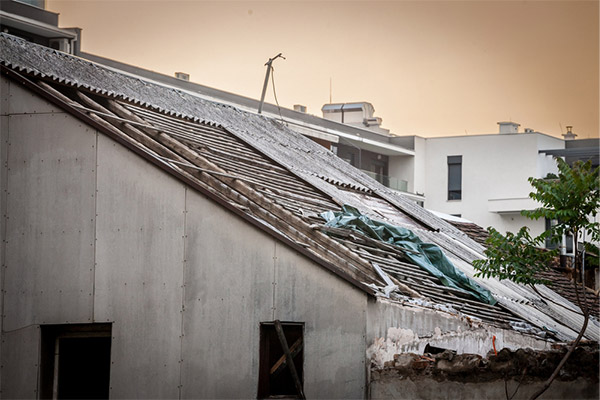
Asbestos cladding is a building material for external walls and roofs that contains asbestos. Cladding is the application of one material over another, often to provide a layer of thermal insulation and sometimes aesthetic appeal. Common cladding materials include wood, metal, stone and composite panels.
Asbestos was added to cladding to provide extra fire protection and insulation, as well as chemical-resistance and durability. The most common type of asbestos added to cladding was chrysotile (white) asbestos, often as part of asbestos cement. Although, some other types, like crocidolite (blue) and amosite (brown) asbestos, can also be found in cladding.

How Do You Tell If Your Cladding Contains Asbestos?
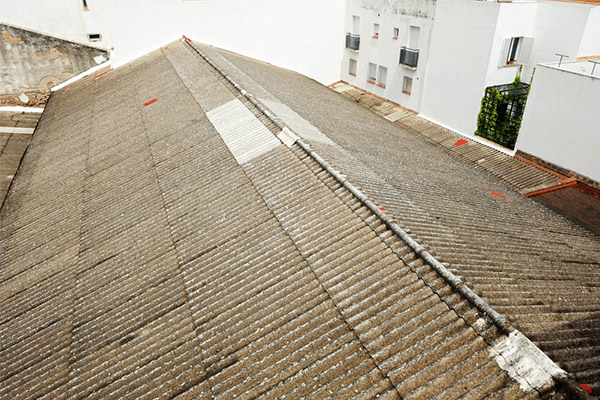
Unfortunately, you can’t tell just by looking at your cladding whether it contains asbestos or not. But there are a few signs you should look out for:
- Grey in colour: Asbestos cement sheets, used to make asbestos cladding, are generally grey in colour. However, over time, they may become covered with dirt or moss, giving them a darker appearance.
- Smooth in texture: As the cement binds the asbestos fibres, the cladding can often appear smooth in texture.
- Corrugated: Cladding was commonly corrugated to add structural strength to a wide variety of buildings.


How Dangerous is Asbestos Cladding?
Asbestos cladding contains around 10-20% of asbestos, making it a low-risk, non-friable (solid, rigid or not easily crumbled) material.
However, this doesn’t mean the product isn’t harmful when released, and it certainly doesn’t mean it is safe to remove yourself if you are untrained.

How Much Does it Cost to Remove Asbestos Cladding?
Asbestos removal costs can vary, but it is generally less expensive to remove than other materials. Here’s a full breakdown of the factors that affect the cost:
- Friable vs non-friable asbestos: Asbestos cladding is a non-friable material, making it cheaper to remove (as long as it has not been disturbed or damaged).
- The type of asbestos fibres: Chrysotile asbestos has serpentine fibres, which are less hazardous than the amphibole fibres of crocidolite and amosite asbestos. Posing a lower risk to health, this also makes cladding less expensive to remove.
- Amount & condition: Naturally, the more asbestos cladding that needs to be removed, the higher the cost will be.
For a better idea, get a free quote from our asbestos removal specialists below.


Get Your Free Asbestos Cladding Removal Quote Today
Looking for a great-value asbestos removal quote? Contact us today for your free, no-obligation project estimate today.
With offices based across Manchester, Lancashire, Yorkshire and the Midlands, we can provide safe, reliable and compliant asbestos removal, remediation and identification services nationwide.
Asbestos Cladding Removal: FAQs
Is asbestos cladding removal a legal requirement in the UK?
No, but the presence of asbestos cladding itself triggers a legal duty to at least manage it under the Control of Asbestos Regulations, 2012. Asbestos does not always need to be removed, but here’s when it becomes a requirement:
- Poor condition: If the asbestos cladding is in the process of deteriorating, or is in a poor condition already, it must be professionally removed or remediated by experts.
- Planned refurbishment or demolition work: Asbestos cladding removal is necessary before significant refurbishment or demolition work can begin.
- Risk assessment: If an asbestos survey has been carried out to identify asbestos cladding, a risk assessment will have also been produced. If this risk assessment shows that the material’s condition or location poses an unacceptable risk of exposure, removal or remediation is required.
Who is responsible for managing asbestos cladding in a property?
According to the Health and Safety Executive (HSE), the person responsible for managing asbestos cladding (and all types of asbestos) within a property is the:
- Owner of the building, or
- The person with clear responsibility for the building’s maintenance/repair
This varies depending on the type of building, find out more from the HSE about the duty to manage asbestos.
How long does asbestos cladding removal take?
Asbestos cladding removal can take anywhere from 1-2 days to a few weeks, or more in some cases. Here’s a full breakdown:
- Minor projects (1-2 days): If it’s only a single sheet of asbestos cladding that requires removal, the process may only take a few days.
- Medium-sized projects (3-5 days): Projects involving moderate amounts of asbestos, e.g. removing wall or roof cladding from a garage, typically take 3-5 days.
- Large-scale projects (1-2 weeks or more): Large-scale commercial or industrial asbestos removal projects can take up to 2 weeks or more due to more complex logistics and extensive safety measures.
- Extensive projects (several weeks to months): If your site is bigger, such as an old factory for example, widespread contamination may have occurred. This means the removal process will have to be carefully phased in order to minimise risks and disruption.
We are full members of: