Asbestos Textiles
- ARCA & ACAD accredited.
- Family-run company.
- Covering the UK.
- Health and Safety Executive (HSE) license holders for asbestos removal since 1985.
Get in touch with our team for a free quick quote from our licensed asbestos specialists!
Asbestos textiles were produced between 1884 and the late 1980s and contained over 75% asbestos fibres.


What Are Asbestos Textiles?
Between the late 1800s and the late 1980s, asbestos fibres were woven into fabric to make asbestos textiles, such as protective garments, blankets and cloths that protected workers from burns and prevented fires in public or industrial settings. Asbestos (and sometimes, asbestos paper) was used to manufacture textiles due to its heat, fire and corrosion resistance, which made these products useful for those working in oil refineries, power plants and fire stations, as well as welders, industrial workers and those who worked with hot machinery. For example, firefighters wore asbestos-containing jackets and foundry workers used asbestos-containing aprons and mitts. Other common asbestos textiles included ironing board covers, welder’s blankets and electrical cloth.

How Dangerous Are Asbestos Textiles?
One of the most common types of asbestos used to make textiles was chrysotile (white) asbestos, due to its soft and flexible fibres that were easy to spin or weave into fabric. Chrysotile asbestos has the ability to spread quickly across the environment. This posed serious health risks for those who spun the raw asbestos material into various fabrics, as well as the workers who used the textiles.
Research into the effects of asbestos textiles on workers dates back to 50+ years ago. In 1965, a scientific journal published a paper that compared the deaths of asbestos textile and cotton textile workers – those who worked with asbestos textiles had higher rates of cancer and asbestosis. Another study focusing on the health records of asbestos textile workers in Italy showed that they were significantly more likely to die from mesothelioma or lung cancer than the average person.


Who Was Exposed To Asbestos Textiles?
Both those who spun the raw chrysotile asbestos to make the textiles, and the wide range of construction, public service, oil/energy and industrial workers faced the risk of asbestos exposure to asbestos textile products. Those most at risk included, but were not limited to, the following:
- Mechanics
- Carpenters, Fabricators and Welders
- Firefighters
- Oil refinery workers
- Textile mill workers
- Shipbuilders
- Tailors
- Engineers
- Masons
- Power plant workers
- Pipefitters

Certified Asbestos Removal
As an ARCA and ACAD accredited asbestos removal company, who has been licensed for asbestos removal by the Health and Safety Executive (HSE) since 1985, you can rest assured that you’ll be in the best hands.
Our licensed asbestos removal contractors have over 30 years of combined experience working across domestic, commercial, industrial, governmental, leisure-related and educational buildings. If you are the dutyholder of a building within any of these sectors, and you suspect your premises contain ACMs, it is vital that you get in touch with us today to ensure you remain safe and legally compliant.


Get Your Free Asbestos Removal Quote
If you suspect your property may contain asbestos, contact us today for a free, no-obligation quote. As certified asbestos removal specialists, we can provide you with impartial advice on how best to proceed if asbestos is detected within your property, followed by a competitive quote, should you decide to take action.
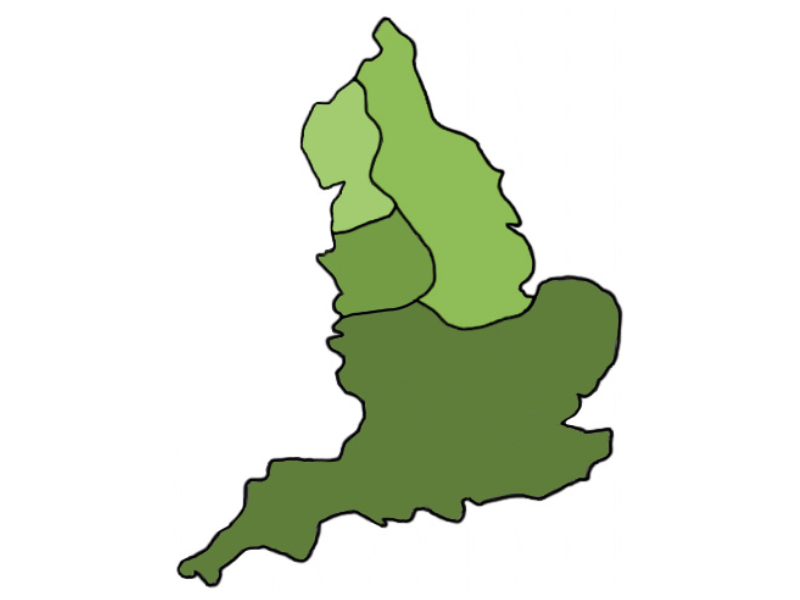
Alongside Asbestos Removal, we also provide a wide range of bespoke services tailored to your site, including Asbestos Remediation, Asbestos Identification, Soft Strip Demolition, Lead Paint Management and Mercury Abatement in Manchester, Lancashire, Yorkshire and the Midlands, as well as many other areas across the UK.
We are full members of